Buy Nicotex 2 mg chewing gum with delivery Australia-wide in plain, discreet packaging.
Nicotine replacement therapy used to ease cravings and withdrawal symptoms while stopping smoking or cutting down.
Nicotine chewing gum containing 2 mg per piece, in packs of 18, 36 or 72.
Chew slowly until the taste or tingling becomes noticeable, then park the gum between the cheek and gum; chew again when the sensation fades and repeat as directed on the pack.
This tool only estimates pack size from the values you enter.
×
You need: 21 tabsRecommended packs: 1 x 36 = 36 tabs
Payment & Delivery
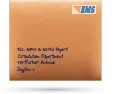
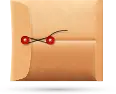
Package Example
Your order is carefully packed and ships within 24 hours. Here's the typical package.
Sized like a regular personal letter (24x11x0.7 cm), with no indication of its contents.
Front View
Side View
Back View
Delivery Times
Delivery Method
Estimated delivery
Express Free for orders over A$429.55
Estimated delivery to Australia: 4-7 days
Standard Free for orders over A$286.37
Estimated delivery to Australia: 14-21 days
Payment Methods
Discount Coupons
Australia Day - 26 January 2026 10%AUSDAY10
Labour Day - 2 March 2026 6%LABOUR6
ANZAC Day - 25 April 2026 8%ANZAC8
King's Birthday - 8 June 2026 7%KING7
Boxing Day - 26 December 2026 12%BOXING12
Brand Names
Also known as (by country):
Country
Brand Names
Australia
HabitrolNicabateNicoretteNicotinell
FAQ
For adults, no prescription is required for 2 mg nicotine chewing gum in Australia. People under 18 should follow the authorised product label and ask a doctor or pharmacist for advice. Approved nicotine replacement products are sold as non-prescription medicines, although the point of sale can depend on the product and pack. This status does not by itself confirm Australian registration of the Nicotex brand.
Don't simply keep going or stop on your own - speak with your doctor or midwife as soon as you can, since they need to weigh the risks of continued smoking against those of nicotine replacement in pregnancy. Whether and how treatment should continue is an individual decision based on your situation.
Nicotine smoking-cessation products supplied in Australia normally need an entry on the Australian Register of Therapeutic Goods, and Nicotex is not a locally registered brand name - the oral nicotine products registered here are sold under names like Nicorette, Nicabate, Nicotinell and Habitrol. Check the packaging of the exact product you receive for its own registration and sponsor details rather than assuming it matches these brands.
Don't take a piece of gum from a blister or package that looks torn, punctured, or otherwise compromised, since its contents may no longer be properly protected. Get in touch with us with photos of the damage and your order details so the issue can be sorted out.
Yes, solid pieces of gum in blister packaging are a fairly robust dosage form and generally cope well with standard postal handling when kept dry and away from extreme heat. Once your order arrives, check that the blister seals are intact and the gum look and feel normal before you start using them.
Nicotex is available as 2 mg pieces of gum, in packs of 18, 36 or 72 pieces. This is the only strength currently stocked for this product.
Nicotex gum contain nicotine and are used to relieve nicotine withdrawal symptoms, such as cravings, irritability and difficulty concentrating, as part of quitting smoking. They act as a substitute source of nicotine while you cut down and eventually stop smoking, rather than treating any unrelated condition.
Use Nicotex 2 mg chewing gum with the chew-and-park technique: chew slowly until the taste or tingling becomes noticeable, then park it between the cheek and gum. Chew slowly again when the sensation fades and repeat as directed on the pack. Do not chew continuously like ordinary gum or swallow it. Avoid eating or drinking, especially coffee and acidic drinks, for about 15 minutes before and during use.
Nicotine crosses the placenta and also passes into breast milk, so use in either situation needs individual medical assessment rather than a simple yes or no. Continuing to smoke is generally considered a greater risk than short-term nicotine replacement, but starting or continuing treatment during pregnancy or breastfeeding should be discussed with your doctor or midwife.
Common effects include hiccups, mouth or throat irritation, mild nausea, indigestion and headache, particularly when starting treatment. Less often, people notice palpitations or light-headedness, and nicotine can raise heart rate and blood pressure a little, which matters if you already have a heart or circulation condition.
Description
Nicotex 2 mg at a glance for Australian customers
Nicotex is an oral nicotine product intended for people who want to stop smoking, or who want to cut down before quitting completely. Each piece of gum delivers a measured 2 mg dose of nicotine through the lining of the mouth, replacing part of what a cigarette would have supplied while leaving out the smoke, tar and combustion products.
We list the 2 mg strength in packs of 18, 36 and 72 pieces, so a first-time user can start small and someone already several weeks into a quit attempt can restock in bulk. Payment can be made by Visa, Mastercard or crypto (Bitcoin, USDT), and every parcel leaves in plain outer packaging with no reference to the contents. We have been packing and dispatching orders since 2004, and our email and online chat support can help with pack sizes, order status and delivery questions.
Why oral nicotine matters in the Australian quit-smoking landscape
Australia has spent decades making smoking harder and more expensive: plain packaging, graphic warnings, steep tobacco excise, smoke-free pubs, beaches and workplaces, and Quitline counselling reachable from anywhere with phone reception. What that means in practice is that most Australian smokers have already thought about quitting, often several times. The gap is rarely motivation; it is getting through the first fortnight of cravings without lighting up.
Nicotine replacement therapy is the most familiar tool in that gap, and Australian smokers usually meet it as gum, lozenges, mouth spray or patches sold over the counter. Nicotex is better known internationally than it is on Australian shelves, where locally registered oral nicotine is marketed under brand names such as Nicorette, Nicabate, Nicotinell and Habitrol. The active substance and the underlying idea are the same: a slow, controlled nicotine dose that takes the sharp edge off withdrawal while you break the habits, routines and triggers that keep smoking alive. That distinction between an unfamiliar brand name and a very familiar type of medicine is worth keeping in mind when comparing options.
Everyday use and best practices
Nicotine gum is chewed slowly until the taste or tingling becomes noticeable, then parked between the cheek and gum. When the sensation fades, it is chewed slowly again and parked once more. Repeat the cycle as directed on the pack; do not chew continuously like ordinary gum and do not swallow it.
Match the strength to the habit. The 2 mg strength is generally intended for lighter smokers, or for people who do not smoke within the first 30 minutes of waking. Heavier, first-thing-in-the-morning smokers often need a higher-strength product or a patch plus a fast-acting form, which is a good conversation to have with a pharmacist or GP.
Use it for cravings, not by the clock alone. One piece of gum at the first hint of an urge works better than waiting until the craving peaks.
Respect the daily maximum. Directions on oral 2 mg nicotine products typically cap use at around fifteen pieces in a day; follow the maximum printed on your pack rather than a number you remember from another brand.
Plan a taper. A common pattern is regular use for roughly eight to twelve weeks, then gradually reducing the number of pieces before stopping altogether. Extended use is safer than returning to cigarettes, but ongoing use beyond a few months is worth reviewing with a health professional.
Do not smoke while dosing heavily. Combining full-strength smoking with frequent nicotine pieces of gum increases the risk of nausea, palpitations and headache.
Timing through an Australian day: waking, smoko and the after-dinner urge
Cravings are creatures of routine, and Australian routines are fairly predictable. The first is the wake-up urge with the kettle. Then the mid-morning smoko, still a real fixture on building sites, in warehouses and on farms. Then the walk out of the office at lunch, the drive home, the beer on a Friday afternoon, and the one that catches most people out: the after-dinner cigarette on the back step.
Because these pieces of gum act over minutes rather than seconds, it pays to be slightly ahead of the pattern. Keeping one ready before the smoko break, before the drive home, or before you clear the dinner plates gives the nicotine time to reach useful levels while the trigger is still building. Overnight is different: oral nicotine is a daytime tool, and nobody should be setting alarms to dose. Shift workers on mine sites, in hospitals and in freight can simply shift the same logic onto their own roster, treating the start of a shift and the drive home as the two highest-risk windows.
Coffee, meals and the drinks that quietly work against you
The medicine-food relationship here is simple and easy to get wrong. Nicotine is absorbed through the mouth lining, and that absorption depends on the mouth being reasonably alkaline. Acidic drinks and foods temporarily lower mouth pH and reduce how much nicotine gets through, so eating and drinking should stop shortly before using the gum and pause during the chew-and-park cycle.
In practice, that means the flat white, the long black, the orange juice, the cola and the vinegary side of a Friday night meal all matter. A common workaround is to finish the coffee, wait a few minutes, then start using the gum rather than combining it with the drink. Water is fine between doses and helps with the dry mouth many people notice in the first week.
Alcohol deserves separate mention, not because it reacts chemically with nicotine in a dramatic way, but because for many Australians a beer at the pub or a glass of wine after dinner is the single strongest smoking cue there is. Planning the first few social occasions of a quit attempt, pieces of gum in pocket, is often more useful than any pharmacological advice.
Safety priorities and activities to approach carefully
Children and pets: nicotine is genuinely toxic in small amounts to small bodies. Used gum should be wrapped and discarded with foil and blister strips in a covered bin, well away from toddlers and dogs.
Pregnancy and breastfeeding: discuss with a doctor, midwife or pharmacist before use, since the balance of benefit and risk needs individual assessment.
Diabetes: quitting smoking changes how the body handles insulin and glucose, so blood glucose is worth monitoring more closely during a quit attempt and medication doses may need review.
Heart and circulation: anyone with recent heart attack, unstable angina, serious arrhythmia or uncontrolled high blood pressure should get medical advice before starting nicotine replacement.
Mouth, throat and stomach: active mouth ulcers, oesophagitis or stomach ulcers can be aggravated by swallowed nicotine.
Driving and machinery: dizziness, headache or palpitations can occur, particularly if the dose is too high. If you feel light-headed on a long stretch of highway or while operating equipment, stop dosing and let the feeling settle before continuing.
Sport and heat: nausea and dizziness are easier to confuse with heat stress during an Australian summer. Keep fluids up and treat unusual symptoms seriously rather than pushing through.
What Australian users tend to report
Australian discussion of nicotine replacement, whether on HealthShare communities, general consumer health pages such as Healthdirect, or the quit threads that pop up on local forums every January and every Dry July, tends to circle around the same few themes. People report that the physical edge of withdrawal - the restlessness, the short temper, the sense that nothing else will do - becomes manageable rather than absent. Many describe being surprised at how much of their smoking turned out to be habit rather than craving once the chemical pull was blunted.
An illustrative composite of the kind of comment that appears on Australian quit forums reads something like: "Week one was ordinary, week two I stopped counting the hours, and by week five I was only using a couple of pieces of gum a day around the after-dinner slump." It is a generalised picture rather than a verified individual account, and experiences vary widely; some people find oral nicotine indispensable, others prefer a patch or a combination approach.
Common challenges people run into
Using too few pieces of gum. Under-dosing is far more common than over-dosing. People ration the pack, ride out the craving, and conclude the product does not work.
Chewing continuously or swallowing the gum. This is the classic first-day mistake and the usual explanation for hiccups, heartburn and a sore stomach.
The coffee clash. Dosing with a takeaway coffee in hand blunts the effect and leaves users unimpressed.
Stopping too early. Quitting the pieces of gum in week two because "I feel fine" often precedes a relapse in week three.
Cost fatigue. Oral nicotine is paid for privately, and the running cost of a long course prompts some people to stretch a pack too far - even though it usually remains far cheaper than the cigarettes it replaces.
Isolated access. In regional and remote communities, restocking may mean a long drive or a mail order, which is exactly why running out mid-taper is such a common trigger for relapse.
Buying guide: pharmacy channels across Australia
Nicotine replacement is sold widely in Australia, and the channel usually determines convenience rather than availability. Discount chains such as Chemist Warehouse compete hard on price across nicotine gums, lozenges and patches. Priceline Pharmacy and TerryWhite Chemmart sit in most shopping centres and often pair the product with a short pharmacist conversation about strength and tapering. Independent community pharmacies remain the backbone of smaller towns, and some supermarkets and service stations stock general-sale nicotine packs.
Stock, brand range and prices differ by store and change over time, so it is worth checking locally rather than assuming. What is consistent is the pattern: a capital-city customer in Melbourne or Perth can compare three pharmacies within a single block, while a customer outside a regional centre may have one pharmacy with limited shelf space and reduced weekend hours. Online channels, including our own, mainly change that geography - the same pack size can be sent to a Queensland cane-farming town as easily as to inner Sydney.
Online pharmacy trends in Australia
Online access to over-the-counter medicines has become an ordinary part of Australian shopping, and quit-smoking products fit the pattern well. Nicotine replacement is used in courses lasting weeks or months, the strength stays the same once it suits you, and the product needs no fitting or measurement - all of which make repeat ordering practical rather than risky.
Privacy is another genuine driver. Not everyone wants to explain a quit attempt across a busy pharmacy counter, particularly in a small town where the person serving is also the person at Saturday sport. Distance matters too: for households hundreds of kilometres from the nearest large pharmacy, a delivered parcel replaces a half-day round trip. What online ordering does not replace is a face-to-face conversation about strength, combination therapy or a complex medical history, and it is not a substitute for the prescription pathway that other quit medicines still require. Anyone weighing up a first attempt with a chronic condition in the background is better served by talking to a pharmacist or GP first and using online supply for convenient restocking afterwards.
PBS subsidy versus private purchase
Australia's Pharmaceutical Benefits Scheme is the reason many people expect a quit-smoking product to arrive with a co-payment attached. For nicotine replacement, the split is specific: only nicotine transdermal patches are subsidised on the PBS for smoking cessation. Oral 2 mg nicotine gum and lozenges are not PBS-listed and are paid for in full by the consumer.
That has two practical consequences. First, no PBS pathway applies to a privately supplied oral nicotine product like this one, and no reimbursement or co-payment should be assumed. Second, people planning a long course sometimes build a mixed approach after professional advice - a subsidised patch route arranged through a GP, plus a privately purchased fast-acting oral form for breakthrough cravings. Prescription-only quit medicines follow the standard PBS or private-prescription rules, which is a separate discussion with a prescriber. Eligibility, listings and co-payments are always product- and patient-specific, so verify them with your prescriber or pharmacy rather than from any product page.
Ingredients, how it works, and what it is for
The active ingredient is nicotine. In a cigarette, nicotine arrives in the brain within seconds as a sharp spike, and it is that spike-and-crash rhythm that trains dependence so effectively. Nicotine replacement therapy deliberately flattens the curve: absorption through the mouth lining is slower and lower, enough to occupy nicotinic receptors and quiet withdrawal symptoms, but without the fast reward that reinforces the habit. A useful analogy is switching a flickering light for a dimmer switch - the room stays lit, but the flashing that keeps you hooked stops.
The established use is aiding smoking cessation: relief of withdrawal symptoms such as craving, irritability, restlessness, poor concentration and low mood, either as part of stopping abruptly or as part of a reduce-then-quit approach. It is also used to get through temporary situations where smoking is not possible, such as a long-haul flight out of an Australian airport or a hospital stay. It does not treat lung disease or reverse damage already done; it treats the dependence that keeps the exposure going.
Interactions worth knowing about
The most important interactions in a quit attempt come from stopping smoking rather than from nicotine itself. Tobacco smoke induces liver enzymes that clear several medicines, and when the smoke stops, blood levels of those medicines can rise even though nothing about the dose has changed.
Caffeine: the same coffee that felt fine as a smoker can feel jittery and sleep-disrupting after quitting. Cutting back is often necessary.
Clozapine and olanzapine: levels can increase substantially after stopping smoking, so treating teams generally monitor closely.
Theophylline and some other narrow-margin medicines: dose review may be needed when smoking stops.
Insulin and diabetes medicines: requirements can change as circulation and glucose handling improve.
Other nicotine products: stacking pieces of gum with patches, sprays, vapes or continued smoking without advice increases the chance of nicotine excess - nausea, headache, palpitations and dizziness.
Acidic beverages are technically an absorption issue rather than a drug interaction, but they affect real-world results just as much.
Recent evidence and regional insights
The broad direction of evidence on nicotine replacement has been stable for years and continues to firm up: it improves the chance of successfully quitting compared with willpower alone, and results improve further when a slow-release background form is combined with a fast-acting form for breakthrough cravings. Australian clinical practice has moved with that, and pharmacists and GPs now routinely discuss combination therapy and adequate dosing rather than minimal use.
Behavioural support remains the other half of the picture, with counselling services such as Quitline consistently associated with better outcomes when paired with medication. Nicotine and vaping policy in Australia has also changed repeatedly in recent years, and the regulatory treatment of nicotine for vaping is quite separate from that of traditional oral nicotine replacement. The TGA continues post-market monitoring of nicotine replacement products, and consumers or health professionals can report suspected side effects for inclusion in the Database of Adverse Event Notifications.
Alternatives available in Australia
Option
How it is used
Practical notes
Nicotine chewing gum 2 mg
Used with the chew-and-park technique as cravings arise
Fast-acting and flexible; paid for privately; technique matters
Nicotine patches
One patch applied daily to clean, dry skin
Steady background level; the only NRT form subsidised on the PBS for smoking cessation
Nicotine lozenges or mouth spray
As needed for cravings
Fast-acting alternatives for people who prefer a different technique or texture
Prescription-only in Australia; unsuitable for some medical and psychiatric histories
Choosing between them usually comes down to how quickly you need relief, whether you want to think about dosing at all, and what your medical history allows. Oral nicotine wins on immediacy and flexible dosing; patches win on set-and-forget convenience and on subsidy; prescription medicines suit people who have already tried nicotine replacement without success.
Regulatory and prescription context in Australia
Under the Poisons Standard, nicotine in oral smoking cessation forms such as 2 mg gum and lozenges is available without a prescription - either as a Schedule 2 pharmacy medicine or as unscheduled general sale, depending on the pack - while nicotine for vaping remains prescription-only. That is a genuine legal distinction, not a technicality, and it explains why the counter conversation about a lozenge is so different from the one about a vaping product.
Products supplied in Australia must hold an entry in the Australian Register of Therapeutic Goods, with a named Australian sponsor. The brand name Nicotex is not an Australian-registered brand; locally listed 2 mg oral nicotine products are marketed under names such as Nicorette, Nicabate, Nicotinell and Habitrol, and reference companies such as Haleon Australia Pty Ltd or Kenvue Australia Pty Ltd sponsor only their own brands. Customers who want clinical guidance on strength or combination therapy can still speak to an Australian pharmacist or GP before starting.
Storage in Australian household conditions
The instruction is straightforward: store below 25 °C, keep the gum in the original packaging, protect them from moisture and light, and keep them out of reach of children. Australian households make the first part the interesting one. A car glovebox on a summer afternoon in Adelaide or Mildura, a letterbox baking in direct sun, a shelf above the stove, or a windowsill in a Darwin wet-season kitchen can all exceed that limit comfortably.
Keep the pack in an interior cupboard or bedroom drawer rather than a car, ute console or handbag left in the sun.
Bring deliveries inside promptly instead of leaving them in a hot letterbox all day.
Avoid the bathroom cabinet - humidity and blister strips are a poor match, particularly in tropical and subtropical areas.
Leave the gum in the original blister until the moment of use; the foil is the moisture and light barrier.
Store well above the reach of children and out of sight of pets, including used strips.
Air-conditioned rooms are the easiest option in a heatwave. Refrigeration is not required and should not be improvised.
Delivery across Australia
Distance is the defining feature of Australian delivery, so we keep the options simple. Express delivery is tracked and typically takes 4 to 7 days, with free delivery on orders over AUD 300. Standard delivery is untracked and typically takes 14 to 21 days, with free delivery on orders over AUD 200. Orders can be paid by Visa, Mastercard, Bitcoin or USDT, and every parcel is packed discreetly with no indication of the contents on the outside. Customers part-way through a taper generally do best ordering the next pack while a week or two of pieces of gum remains, especially outside the capital-city corridors.
The table below sets out representative estimates to selected Australian cities, based on previous delivery experience with the same methods and ranges.
When will Nicotex arrive in cities across Australia?
City
Express
Standard
Coffs Harbour
≈ 4 days
≈ 19 days
Ballarat
≈ 4 days
≈ 14 days
Logan City
≈ 7 days
≈ 16 days
Wollongong
≈ 4 days
≈ 14 days
Melbourne
≈ 7 days
≈ 16 days
Estimates based on our experience with previous deliveries. They are indicative only and not guaranteed delivery dates.
Estimates are indicative rather than guaranteed; remote postcodes, public holidays and customs handling can extend transit times. Our support team can be reached by email or online chat if a parcel appears delayed.
The bottom line for Australian users
Nicotex 2 mg gives Australian smokers a familiar tool in an unfamiliar wrapper: measured oral nicotine that softens withdrawal while habits are rebuilt, used at the first sign of a craving, kept away from coffee and acidic drinks, and tapered rather than abandoned. It is a support for the hardest weeks of a quit attempt, not a cure, and it works best alongside a plan for the smoko break, the drive home and the after-dinner step outside.
Packs of 18, 36 and 72 pieces of gum cover a trial run through to a full course. Oral nicotine at this strength sits outside PBS subsidy and is paid for privately wherever it is bought. For anyone with heart disease, diabetes, pregnancy, breastfeeding or a complex medication list, a short conversation with a pharmacist or GP before starting is time well spent - and for everyone else, having pieces of gum on hand before the first craving arrives is usually what separates a serious attempt from another false start.
Customer questions
Q
Asked by Craig, Brisbane, Australia
I live about an hour outside Brisbane, past most of the outer suburbs. Is there any way to check whether you actually deliver Nicotex out to my area before I place an order?
A
Answered by Support team
The best way is to pop your delivery address and postcode in at checkout - it'll show you whether delivery is offered there before you have to pay anything. We can't confirm coverage for a specific area outside of that checkout step.
Q
Asked by Megan, Melbourne, Australia
I've been using Nicabate gum from the pharmacy to help me quit smoking. Can I just switch straight over to your Nicotex 2 mg gum instead?
A
Answered by Support team
Both contain nicotine, but Nicabate gum and Nicotex gum are different dosage forms with their own dosing pattern, so one doesn't automatically swap in for the other. Compare the active ingredient, strength and form printed on your Nicabate pack against the Nicotex label, and keep in mind the manufacturer, piece of gum appearance and inactive ingredients will be different from what you're used to.
Q
Asked by Steve, Geelong, Australia
I've been on cimetidine for heartburn for years and I'm now trying to quit smoking with Nicotex 2 mg gum. Does the cimetidine cause any issue with the nicotine?
A
Answered by Support team
Cimetidine can slow the body's clearance of nicotine, which may let nicotine levels run a bit higher than usual. That's not a reason to avoid Nicotex outright, but it's worth mentioning to your doctor or pharmacist so they can keep an eye on how you're tolerating treatment.
Product specifications
Active ingredient
Nicotine
Drug class
Nicotinic agonist
Dosage form
Chewing gum
Strength
2 mg
Route of administration
Oromucosal
Storage
Store below 25 °C. Keep in the original packaging. Protect from moisture and light. Keep out of reach of children.
ATC code
N07BA01
Regulatory information
TGA approvalNicotine is an approved therapeutic substance for human use in Australia.
Supply categoryChewing gum formulations of nicotine are available over the counter without a prescription.














 Australia