Buy Nicotex 2 mg online, with delivery across the United Kingdom in plain, discreet packaging.
Nicotine replacement therapy used to ease cravings and withdrawal symptoms while stopping smoking.
Supplied as 2 mg nicotine chewing gum in packs of 18, 36 or 72 pieces.
Chew slowly until the taste or tingling becomes noticeable, then park the gum between the cheek and gum; chew again when the sensation fades and repeat as directed on the pack.
This tool only estimates pack size from the values you enter.
×
You need: 21 tabsRecommended packs: 1 x 36 = 36 tabs
Payment & Delivery
Package Example
Your order is carefully packed and dispatched within 24 hours. Here's the typical package.
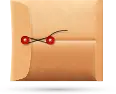
Roughly the size of a standard letter (24x11x0.7 cm), with no indication of its contents.
Front View
Side View
Back View
Delivery Times
Delivery Method
Estimated delivery
Express Free on orders over £226.56
Estimated delivery to the UK: 4-7 days
Standard Free on orders over £151.04
Estimated delivery to the UK: 14-21 days
Payment Methods
Discount Coupons
New Year's Day - 1 January 2026 9%NEWYEAR9
Valentine's Day - 14 February 2026 6%VALENTINE6
St David's Day - 1 March 2026 4%DAVID4
St Patrick's Day - 17 March 2026 5%PATRICK5
St George's Day - 23 April 2026 4%GEORGE4
May Day - 1 May 2026 5%MAYDAY5
Halloween - 31 October 2026 6%HALLOWEEN6
Guy Fawkes Night - 5 November 2026 5%GUY5
Christmas Eve - 24 December 2026 9%XMASEVE9
Christmas Day - 25 December 2026 10%XMAS10
Boxing Day - 26 December 2026 10%BOXING10
New Year's Eve - 31 December 2026 8%NYE8
Brand Names
Also known as (by country):
Country
Brand Names
United Kingdom
NicoretteNicotinellNiQuitin
FAQ
For adults, no prescription is required for 2 mg nicotine chewing gum in the UK. People under 18 should follow the age restrictions on the authorised product and ask a doctor or pharmacist for advice. Depending on the authorised pack, nicotine replacement products are sold through pharmacies or other retail outlets. This classification applies to the dosage form and locally authorised products; it does not by itself confirm UK registration of the Nicotex brand.
If you find out you're pregnant while using nicotine replacement therapy, speak to your GP or midwife before deciding whether to continue, adjust, or stop it. Stopping smoking matters a great deal in pregnancy, but the right way to balance that against nicotine replacement needs a professional assessment of your situation.
The manufacturer of the supplied product may vary. The manufacturer's name is shown on the product packaging.
Check the outer box and the blister foil for the printed active ingredient (nicotine) and strength (2 mg per piece of gum), which should sit alongside the manufacturer's name and batch information. If any of these details are missing, unclear, or don't match what you ordered, hold off using the gum and get in touch with us first.
Nicotine 2 mg gum are a solid dosage form packed in blister strips, which normally cope well with ordinary postal handling as long as the original packaging stays intact. The label calls for storage below 25°C, away from moisture and light, so once your order arrives it's worth checking that the gum and blisters look intact and undamaged before use.
This product is available in a single strength: 2 mg per piece of gum. It comes in pack sizes of 18, 36, or 72 pieces.
Nicotine replacement should only be used in pregnancy after discussing the risks and benefits with a doctor or midwife, because nicotine crosses the placenta, although supervised nicotine replacement is generally considered less harmful than continued smoking. During breastfeeding, small amounts of nicotine pass into breast milk, so it should be used with caution, ideally straight after a feed rather than just before one, and under a healthcare professional's guidance.
Nicotex 2 mg chewing gum is used with the chew-and-park technique: chew slowly until the taste or tingling becomes noticeable, then park it between the cheek and gum until the sensation fades. Chew slowly again and repeat as directed on the pack. Do not chew continuously like ordinary gum or swallow it. Avoid eating or drinking, especially acidic drinks such as coffee or fruit juice, for around 15 minutes before and during use.
Nicotine 2 mg gum are used to relieve withdrawal symptoms such as cravings, irritability, and poor concentration as part of a smoking cessation plan. They act as nicotine replacement therapy, delivering a controlled, lower dose of nicotine than cigarettes while a person cuts down or stops smoking.
Common side effects include hiccups, throat or mouth irritation, nausea, and headache, particularly when starting treatment. Some people also notice hyperacidity, dizziness, or palpitations; these often ease as the body adjusts, but persistent or severe symptoms should be checked by a pharmacist or doctor.
Description
Nicotex in the UK stop-smoking context
Oral nicotine replacement is a familiar part of stop-smoking support in the United Kingdom. Nicotex is intended for adults who want flexible help with cravings while they change the routines and triggers linked to smoking.
For UK customers, the practical questions are how to fit treatment around the working day, meals and predictable craving moments, how to combine it with behavioural support, and how to maintain continuity through a planned quit attempt.
Ingredients, how it works and what it is used for
Nicotine is the substance in tobacco smoke that creates dependence. It binds to nicotinic acetylcholine receptors in the brain and triggers the release of dopamine and other signalling chemicals. In a regular smoker, those receptors have adapted to repeated, rapid hits of nicotine from cigarettes; when the cigarettes stop, the shortfall produces the familiar withdrawal picture of irritability, restlessness, poor concentration, low mood, disturbed sleep and intense urges to smoke.
A 2 mg piece of nicotine chewing gum supplies a smaller, slower and cleaner dose. Think of it as swapping a sudden downpour for a steady drizzle: enough nicotine to quieten withdrawal, delivered too gradually to reproduce the sharp reward cycle of inhaled smoke, and without the tar, carbon monoxide and combustion products that cause the harm.
Established uses
Relief of nicotine withdrawal symptoms and cravings during a quit attempt.
Support for smokers who are cutting down before a full quit date.
Temporary abstinence, for example during a hospital stay, a long flight from Heathrow or a workplace where smoking is not permitted.
UK stop-smoking practice, reflected in NICE guidance on tobacco dependence, treats behavioural support and pharmacological aids as partners rather than rivals. Nicotine replacement is at its most effective when it sits alongside a set quit date, a plan for triggers and some form of ongoing support.
Everyday use and best practices
This is nicotine chewing gum, not a piece of gum to swallow. Chew it slowly until the taste or tingling becomes noticeable, then park it between the cheek and gum so nicotine is absorbed through the lining of the mouth.
When the taste or tingling fades, chew slowly again and park the gum once more. Repeat this chew-and-park cycle as directed on the pack; do not chew continuously like ordinary gum and do not swallow the gum.
Use one piece of gum as a craving arises rather than waiting until the urge is overwhelming.
Follow the daily maximum printed in the pack leaflet, and do not smoke while using the pieces of gum.
Plan a course of a few months, then reduce the number of pieces gradually rather than stopping abruptly.
Keep a rough tally for the first week; most people underestimate how many cravings they have and then under-treat them.
Onset and pacing
Relief builds over several minutes as nicotine is released from the gum, not in seconds. That difference from a cigarette is the single most common reason people abandon oral nicotine replacement too early. Used slightly ahead of a predictable trigger, the piece of gum performs far better than it does when reached for in a moment of crisis.
Timing through a British day
Cravings in the UK tend to cluster around recognisable habits: the first cigarette with the kettle on, the mid-morning break outside the office door, the smoke after lunch, the one on the walk from the station and the last one in the back garden before bed.
Morning: the first craving of the day is often the strongest. Have a piece of gum ready before you get up, not after the first cup of tea.
Working hours: nicotine chewing gum is useful precisely because it can be used during meetings, at a desk or on a hospital ward without a break.
Evening: the post-dinner and pre-bed triggers are where relapse frequently happens; plan for them rather than assuming the day is over.
Late night: nicotine is a stimulant. Using pieces of gum very close to bedtime can make it harder to settle, and vivid dreams are commonly reported during quit attempts.
Taking the pieces of gum around meals, tea and coffee
The important medical fact comes first: acidic drinks reduce the absorption of nicotine from the mouth. Tea, coffee, fizzy drinks, fruit juice and alcohol all lower the pH in the mouth, and nicotine crosses the mucous membrane less efficiently in acidic conditions. As a rule of thumb, avoid eating or drinking for around a quarter of an hour before using the gum, and do not eat or drink during the chew-and-park cycle.
That collides directly with the British day. If your routine is builder's tea from the moment you wake, a coffee at eleven and another with the afternoon biscuit, the natural instinct is to reach for a piece of gum at exactly the wrong moment. A small reordering helps: finish the tea, allow a short pause, then use the gum with the chew-and-park technique before the next mug is poured. The same applies after a full breakfast, a lunchtime meal deal or a Sunday roast, when the after-meal cigarette used to arrive with the plates being cleared.
Food itself does not interfere with the medicine beyond this timing point, so there is no need to change what you eat. Many people find that changing where they drink their tea, or holding the mug in the other hand, breaks the association more effectively than willpower alone.
Safety priorities and what to limit
Do not continue smoking while using the pieces of gum; combining the two increases the risk of nicotine excess.
Nausea, light-headedness, headache, palpitations, hiccups and a sore mouth or throat are the effects most often reported. Persistent light-headedness or palpitations suggest the dose or frequency needs reviewing.
Anyone with recent heart attack, unstable angina, serious arrhythmia or recent stroke should seek medical advice before starting nicotine replacement.
Pregnancy and breastfeeding require a conversation with a midwife, GP or pharmacist; stopping smoking is a priority, but the choice of product and dose should be guided.
People with diabetes may need to monitor blood glucose more closely while stopping smoking, as insulin requirements can change.
Keep pieces of gum away from children and pets. Nicotine is toxic in small quantities to both.
Anyone with mouth ulcers, oral inflammation, oesophagitis or active peptic ulcer disease should take advice, since oral nicotine may aggravate symptoms.
Nicotine replacement does not usually impair driving. Withdrawal, however, can affect concentration and temper, so long motorway drives during the first days of a quit attempt deserve a little extra planning and a supply of pieces of gum within reach.
Food, drink and medicine interactions
The interactions that matter most in stop-smoking treatment come from stopping the smoke, not from the nicotine itself. Tobacco smoke induces the liver enzyme CYP1A2, so when cigarettes stop, blood levels of several medicines can rise even though nothing about their dose has changed.
Clozapine and olanzapine: levels may increase noticeably after quitting; monitoring and dose review are standard practice.
Theophylline: the same enzyme effect applies, and dose adjustment is sometimes needed.
Warfarin and insulin: response can shift after quitting, so existing monitoring arrangements become more important.
Caffeine: cleared more slowly once smoking stops, which is why the usual four or five cups of coffee suddenly feel jittery in the first fortnight.
Alcohol: not prohibited with nicotine replacement, but drinking is one of the strongest relapse triggers reported by UK quitters, and it lowers mouth pH at the same time.
If you take regular prescribed medicines, mention your quit date to your GP surgery or community pharmacist so that any monitoring can be arranged.
Patient experiences reported in the UK
Threads on Patient.info forums, HealthUnlocked communities and NHS stop-smoking discussions paint a fairly consistent picture of oral nicotine replacement. The benefits people describe are practical rather than dramatic: cravings become manageable instead of absent, the first week feels survivable, and having something to reach for reduces the panic that often precedes a relapse. Office workers and shift staff often value having a fast-acting nicotine option available, although chewing may be noticeable in front of customers or patients.
An illustrative comment of the kind commonly seen in UK quit-smoking communities reads: "The gum does not feel like a cigarette and I stopped expecting it to. What it did do was get me past the ten minutes after lunch, which was always where I gave in."
That framing, treating the piece of gum as a bridge across specific moments, appears repeatedly in British community advice and matches what stop-smoking advisers tend to emphasise.
Common challenges
Under-dosing: using too few pieces of gum is the most frequently described mistake, often out of a wish to avoid "swapping one addiction for another".
Expecting a cigarette-like hit: the slower onset disappoints people who have not been warned about it.
Mouth effects: tingling, hiccups, a sore throat or an unfamiliar peppery taste usually settle within a few days but put some users off early.
Tea and coffee timing: the absorption rule is easy to forget in a country that runs on hot drinks.
Stopping too soon: abandoning the pieces of gum after two or three weeks, when receptor adaptation is still in progress, is a common route back to smoking.
Trigger clusters: pub gardens, football matches and social smoking remain difficult, and most people need a plan rather than good intentions.
Where people obtain nicotine replacement in the UK
British customers have several routes to stop-smoking products, and they behave quite differently:
High-street chains such as Boots Pharmacy and Superdrug Pharmacy stock a broad range of nicotine replacement formats, with pharmacist advice available at the counter.
Independent community chemists often provide the most continuity, particularly in smaller towns and coastal communities where the same pharmacist sees a customer through the whole course.
GPhC-registered online pharmacies compete on convenience and privacy, and are used heavily by people who prefer not to discuss smoking at a counter.
NHS Stop Smoking Services and pharmacy-led schemes in England, Scotland, Wales and Northern Ireland provide structured behavioural support alongside product supply.
Stock, pack sizes and prices vary between channels and between nations, and a product available in one chain may not be carried in another. Prices are not fixed nationally for over-the-counter nicotine products, so it is worth comparing pack sizes rather than unit prices alone.
Online pharmacy trends in the United Kingdom
Online medicine ordering has become an ordinary part of UK health behaviour rather than a novelty. Several practical reasons stand out for stop-smoking products in particular. Privacy is high on the list: quitting is often attempted quietly, and some people would rather not explain a third quit attempt to a pharmacist they see every week. Convenience is another, especially for shift workers, carers and people in rural parts of Wales, the Highlands or Northern Ireland where the nearest counter may involve a drive rather than a walk.
Online channels also allow slower, more considered reading. A shopper can compare formats, pack quantities and administration methods without a queue behind them. The trade-off is real: a counter conversation with a pharmacist offers immediate, personalised advice that a screen cannot fully replace. Sensible practice combines the two, using online access for supply and continuity while keeping a pharmacist or stop-smoking adviser involved in the plan.
NHS support versus private purchase
The NHS route and the private route are genuinely distinct in the United Kingdom. NHS Stop Smoking Services offer counselling, carbon monoxide monitoring and, in many cases, supply of stop-smoking medicines through local arrangements. Prescription-charge rules differ across the four nations: prescriptions are dispensed without a charge to the patient in Scotland, Wales and Northern Ireland, while a charge applies in England unless an exemption is met. Local schemes and eligibility vary considerably, and no assumption should be made that any specific branded product is included in a particular local service.
Private access works differently. There is no eligibility assessment, no waiting list and no local formulary to satisfy, and the cost sits with the customer. Many people combine the approaches: they attend NHS or pharmacy-led support for the behavioural side and obtain their own supply so they never run out mid-course. Running out of nicotine replacement in week three is a classic relapse trigger, and continuity of supply is worth more than most quitters expect.
Recent evidence and regional insights
The broad direction of current stop-smoking evidence is towards combination and adequacy of treatment rather than towards single products. Using a long-acting form for background cover together with a fast-acting oral form for breakthrough cravings has become a widely accepted approach in UK practice, as has the recognition that many smokers use too little nicotine replacement for too short a time. There is also continuing discussion in British public health about the role of vaping alongside licensed medicines, and about extending structured support into hospital admissions, maternity care and mental health services, where smoking rates remain higher than average. Guidance in this field is periodically updated, so current NHS medicine information and NICE recommendations remain the sensible reference points.
Alternative choices available in the UK
Nicotine replacement is one of three broad pharmacological approaches used in Britain. Prescription-only oral treatments work on the brain's nicotine pathways rather than supplying nicotine.
Approach
Typical advantages
Typical drawbacks
Nicotine chewing gum
Discreet, flexible, dose adjusted to cravings
Slower onset than a cigarette, mouth irritation, timing rules around drinks
Nicotine patches
Steady background cover, once-daily application
No relief for sudden cravings, skin reactions, sleep disturbance in some users
Non-nicotine option, useful for some who dislike replacement products
Prescription medicine with important contraindications and interactions
Many UK quitters move between these options across successive attempts. A previous failure with one format says very little about the next.
Regulation and prescription context
Medicines sold in the United Kingdom are regulated by the Medicines and Healthcare products Regulatory Agency, and any pharmacy dispensing in Great Britain must be registered with the General Pharmaceutical Council. Nicotine replacement has long been treated as a self-care category in the UK, which is why it appears in supermarkets and chemists as well as through health-service routes; nevertheless, the classification printed on a specific pack is the authoritative statement for that presentation.
If you have a heart condition, take clozapine, olanzapine, theophylline or warfarin, or are pregnant or breastfeeding, medical advice before starting is strongly advisable regardless of how the product is supplied.
Storage in UK household conditions
The supplied instruction is straightforward: store below 25 °C in the original packaging; protect from moisture and light, and keep out of reach of children. British homes present two specific challenges to that.
Damp: bathroom cabinets and kitchen windowsills are poor storage places because moisture can damage nicotine gum and its packaging. A bedroom drawer or a cool cupboard away from the kettle and the shower is better.
Summer heat: during a heatwave, upstairs rooms in homes without air conditioning, conservatories, car glove boxes and handbags left in direct sun can easily exceed the limit. Carry only the pieces of gum you need for the day.
Original packaging: keep pieces of gum in their blister or container rather than transferring them to a pill tin, since the packaging is part of the moisture and light protection.
Cold: an unheated hallway in a Scottish winter is not a problem, but a cold, condensation-prone porch is, because of the damp rather than the temperature.
Delivery across the United Kingdom
Deliveries reach addresses across England, Scotland, Wales and Northern Ireland, including island and rural postcodes where transit may sit at the longer end of the estimate. Two methods are available: Standard delivery, with an estimated 14 to 21 days and no tracking, free on orders over £200; and Express delivery, with an estimated 4 to 7 days and full tracking, free on orders over £300. All parcels are sent in plain, discreet outer packaging with no reference to the contents, and payment is accepted by Visa, Mastercard, American Express and JCB cards or in Bitcoin and USDT. Because a quit attempt depends on not running out, it is worth timing your order so that the next pack arrives before the current one is finished.
The estimates below are indicative figures for selected UK cities, based on previous delivery experience.
Nicotex delivery estimates for cities across the United Kingdom
City
Express
Standard
Leeds
≈ 7 days
≈ 18 days
Southampton
≈ 7 days
≈ 17 days
Sunderland
≈ 5 days
≈ 19 days
Nottingham
≈ 6 days
≈ 20 days
Plymouth
≈ 7 days
≈ 17 days
Approximate times in days, based on our experience with previous deliveries. These are estimates only, not guaranteed delivery dates.
Our support team is contactable by email and online chat if a parcel appears delayed or if you need help choosing a pack size.
Summary for UK customers
Nicotex 2 mg gum offer a discreet, adjustable form of nicotine replacement for smokers in the United Kingdom who want relief from cravings without a device, a chew or a smoke break. Used properly, with attention to the tea-and-coffee timing rule, an honest number of pieces of gum each day and a planned reduction over a few months, the format fits neatly into a British working routine and around the trigger moments where quit attempts usually falter. Packs of 18, 36 and 72 allow a small trial or a continuous supply, delivery reaches the whole of the UK in plain packaging, and pairing the product with NHS or pharmacy-led stop-smoking support gives any attempt the best structure. For heart conditions, pregnancy, breastfeeding or regular prescribed medicines, speak to a pharmacist or your GP surgery before you begin.
Customer questions
Q
Asked by Diane Foster, Bristol, United Kingdom
My Nicotex order just turned up and I'd like to check it's not close to expiring before I start using it. Where on the pack would I find the batch number and expiry date?
A
Answered by Support team
The batch number and expiry date are printed on the blister strip itself and again on the outer carton, usually near the manufacturer's details. If you can't spot them or the print looks unclear on the pack you've received, get in touch with us and we'll look into it.
Q
Asked by Michael Reeves, Coventry, United Kingdom
I'm thinking about ordering the 72-piece pack of Nicotex, but I only use one or two pieces of gum a day now, so it could take me a while to get through them. Will there be enough shelf life left by the time it reaches me?
A
Answered by Support team
We can't quote an exact number of months in advance, as that depends on the specific batch that's sent out to you. The expiry date will be printed on the pack itself, so you'll be able to see straightaway how long it's good for once it arrives.
Q
Asked by Karen Whitfield, Stoke-on-Trent, United Kingdom
My GP has me on Champix to help me quit, but I still get strong cravings some evenings. Would it be safe to use Nicotex gum on top of that, or does mixing the two cause problems?
A
Answered by Support team
Combining nicotine replacement with varenicline (Champix) isn't something to do without checking first, since using both together can increase the risk and severity of side effects such as nausea, headache, or sleep disturbance. It's best to run this past the doctor who prescribed your Champix, as they can advise whether adding nicotine gum or adjusting your current treatment makes more sense for you.
Product specifications
Active ingredient
Nicotine
Drug class
Nicotinic agonist
Dosage form
Chewing gum
Strength
2 mg
Route
Oromucosal
Storage
Store below 25 °C. Keep in the original packaging. Protect from moisture and light. Keep out of reach of children.
ATC code
N07BA01
Regulatory information
Licensing statusNicotine is fully licensed for medicinal human use across the United Kingdom.
Prescription requirementMedicated chewing gum containing nicotine is available without a prescription for general retail sale.














 United Kingdom